
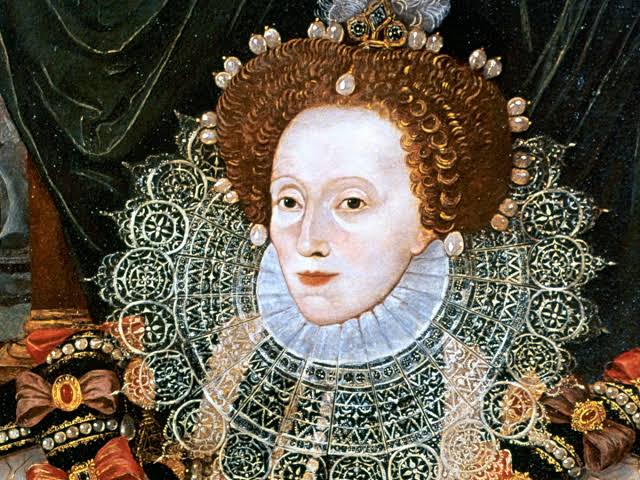
The reign of Elizabeth I in England followed a rocky period in English history, where religious tensions followed the excommunication of England from Rome. Protestantism, pioneered by a group of academics called “the Little Germany,” spread rapidly throughout England, despite the efforts of Mary Tudor to quell the movement. By the time Elizabeth I stepped to the throne in 1558, in part with the help of the Protestant movement, Protestantism was the dominant religion in England, with the exceptions of lingering Catholic areas in the far north and west, as well as in old aristocratic families. Shortly after her rise, she created the Religious Settlement or the Elizabethan Settlement, which reinstated acts passed by her father, Henry VIII, in particular act that granted the king the title of “Supreme Head of the Church of England,” giving her all ecclesiastical power. The reinstatement of this act was especially important, as it essentially nullified the power of the pope in England. Appointing church officials fell instead to the power of the Crown, and Elizabeth I took this newfound power in stride, firing and persecuting the Catholic priests and ministers that Mary Tudor had appointed. To compromise with those who were closer to Catholicism, of which there were many, particularly in the upper classes, Elizabeth I ordered for the liturgy used within each church to be unified and chose one that was modified to conserve a select few Catholic traditions.
In reinstating Henry VIII’s acts, Elizabeth I also dissolved much of the monasteries and churches throughout England, repurposing over half of the land that the Church previously owned as product to sell and refill the Crown’s dwindling bank account. Previously common land became privatized under “The Enclosure Acts,” leading to widespread displacement of rural communities, and a higher population of “the undeserving poor.” These capitalist acts benefited the gentry and above heavily, but left much of the poor reliant on parish relief. The rise of capitalism under Elizabeth I displaced many peasants, exacerbating poverty: the percentage of poverty grew so high and so rapidly that England saw the first poverty laws of its time. The positive consequences for the upper class combined with the losses of the lower class resulted, too, in a significant divide between classes, with the nobility and gentry living comparatively extravagantly, and the yeoman and peasant population losing economic ground.
As Elizabeth I’s reign extended, her religious stance became increasingly aligned with that of the Protestants, echoing the radicalized views within the religion itself. Puritanism was formed, alongside Elizabeth I’s crackdown on those who didn’t openly disobey the pope. Jesuit priests were expelled, and those found practicing Catholicism were subject to imprisonment at the Tower of London, where they were tortured and even killed. In this network of persecution, England became home to a quasi-Secret Service, where spies ratted out families harboring priests and conspiracies against Elizabeth I. To avoid persecution, many traditionally Catholic aristocratic families and noblemen aligned themselves with Protestantism and with the Parliament to gain a more favorable stance politically, while practicing Catholic traditions in secret.
Elizabeth I’s England was characterized by high taxes, unemployment, stagnant wages, and inflation, as the population rose dramatically. Combined with civil unrest and rumors of corruption, by the end of Elizabeth I’s reign, the country was in a state of turmoil.
James I took over after Elizabeth I following her death and faced immediate backlash at his wishes for continued “peace” between his Catholic and Puritan subjects. His extravagant expenses, coupled with increasing accusations of corruption and bribery within the court and Church (which, in many aspects, were true, as the King had stacked church officials with close friends with his power as Supreme Head,) resulted in continued dissatisfaction between the Crown and the common people. Anti-Catholic sentiment within England, too, was at an all-time high following the attempted assassination of James I, when the Gunpowder Plot aimed to replace James I with a Catholic ruler.
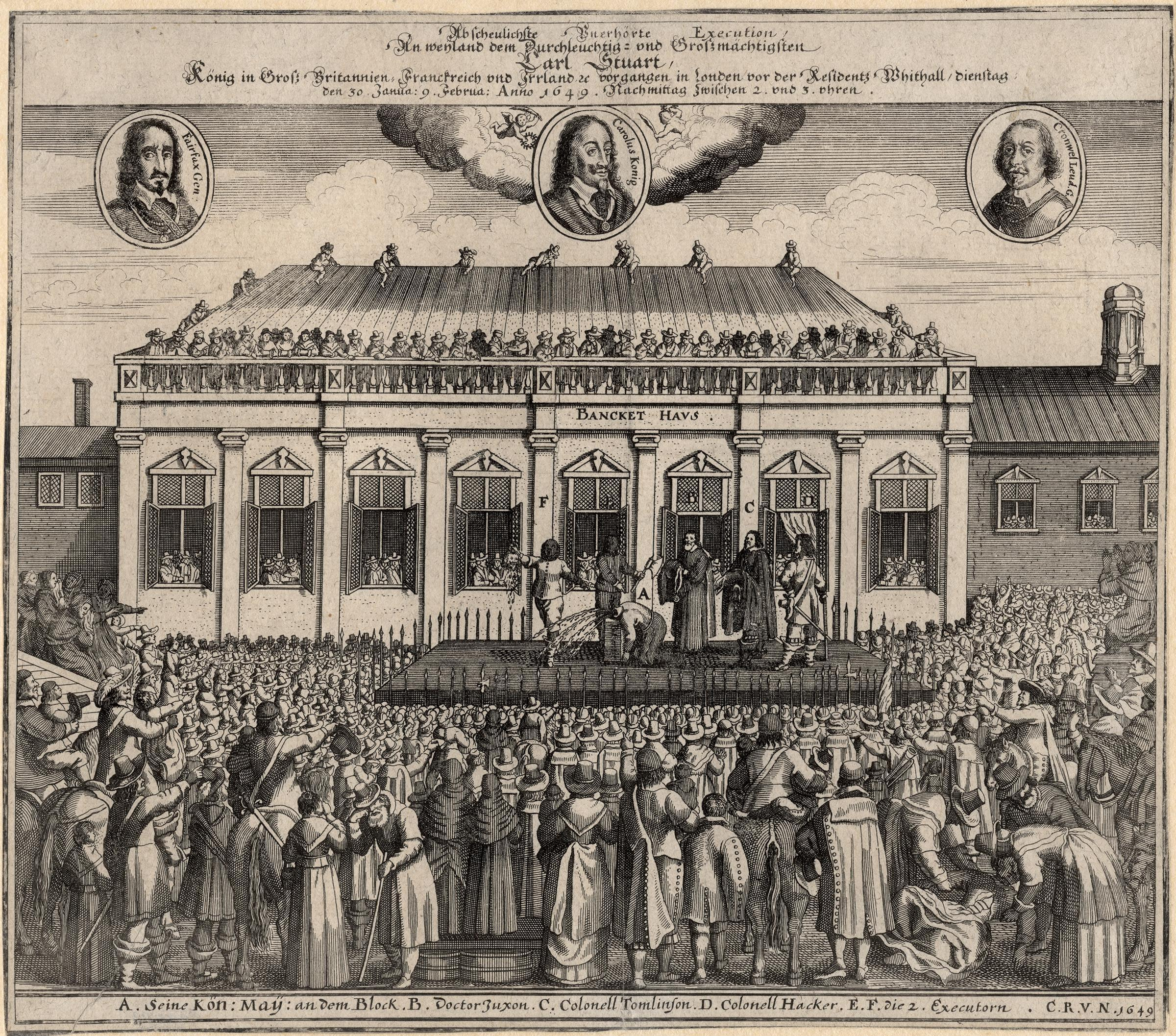
Charles I, the second son of James I, took the throne after James I’s death. He was an unpopular figure, having married a Roman Catholic, and believing in the divine right of kings. Rather than take the advice of the Parliament, he instead governed based on his own opinion, levying taxes and imposing policy without the consent or knowledge of the Parliament, and often in support of Catholic goals. By angering the Parliament, which perceived his unpredictable actions as those of a tyrannical absolute monarch and losing the trust of the Puritans and other reformed religious groups, James I became the target of a plot to overthrow the Crown as it stood. His position, too, was unfavorable– due to the fiscal deficit created during the reigns of Elizabeth I and James I, he had little military capacity.
Following a string of rebellions from Ireland and Scotland alike, from 1642 to 1651, the English Civil War set a fight between the Royalists (supporters of Charles I) and Parliamentarians (Puritans.) Within the Parliamentarians, there emerged various groups calling for not only the restructuring of the Church of England to adhere closer to Puritan beliefs (The Westminister Assembly,) but also calls for social equality and land reform by sects like the Levellers and Diggers. The war ended badly for Charles I, and he was executed for treason, marking a dramatic shift in power dynamics, as the accusation of treason for a King was both incredibly rare and empowering for the people.