
The 19th and 20th centuries saw a significant evolution in the Robin Hood legend, as the character became firmly entrenched in children’s literature and mass entertainment. These adaptations reflect the socio-economic, political, and religious contexts of their time, with authors and creators reshaping Robin Hood’s tale to resonate with the values and concerns of their audiences. From England to the United States, Robin Hood’s transformation mirrors the shifting priorities of industrial societies grappling with inequality, labor reform, and evolving notions of morality.
The Industrial Revolution of the 19th century drastically altered the English social fabric, with rapid urbanization and industrialization creating stark divisions between the wealthy elite and the working class. This period also saw a surge in Evangelical Christianity, which emphasized personal morality, social reform, and aiding the poor—themes that became intertwined with Robin Hood’s character in children’s literature.
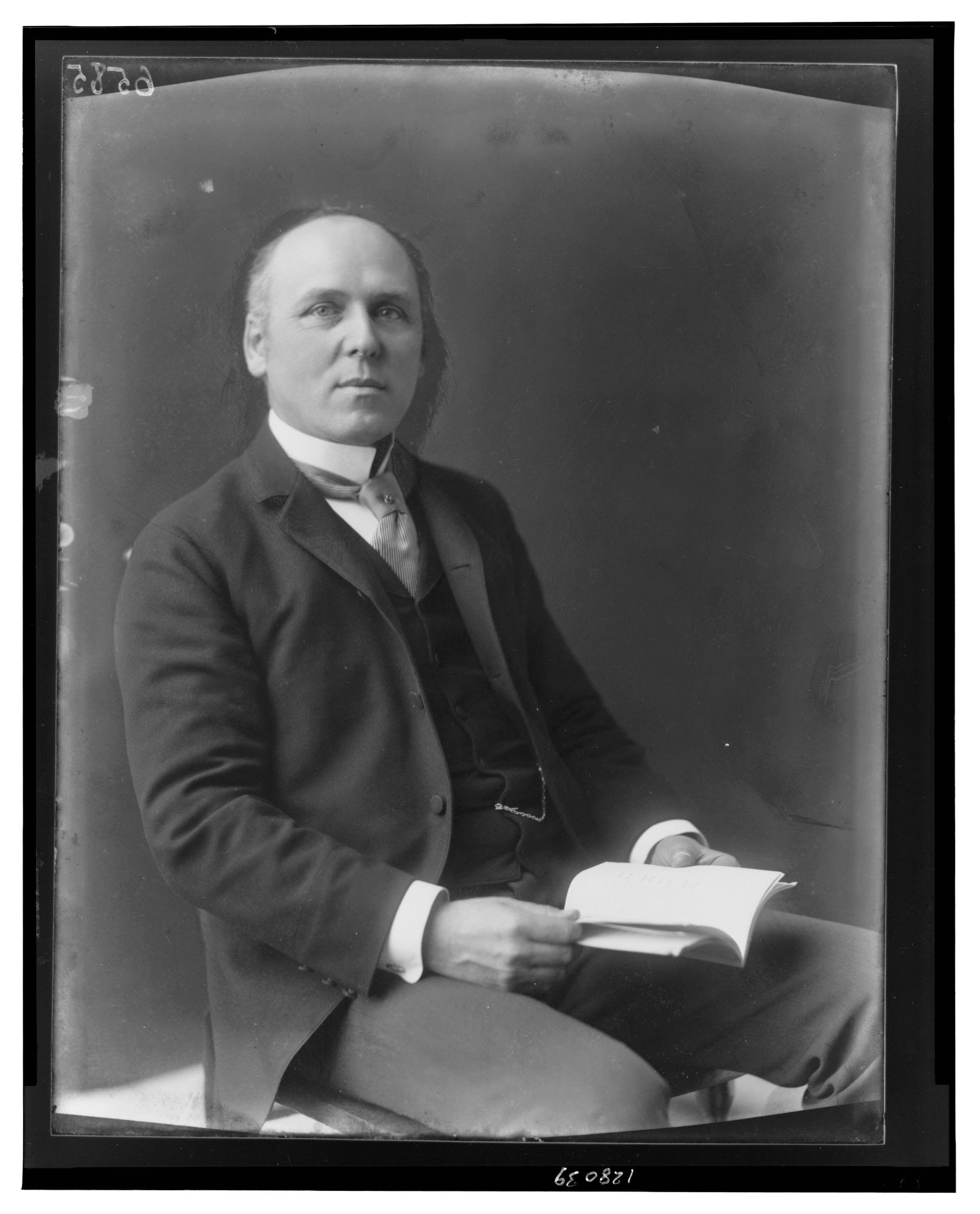
Howard Pyle’s The Merry Adventures of Robin Hood (1883), though written by an American, draws heavily on earlier English traditions and reflects Victorian ideals of morality and justice. Pyle’s Robin Hood is not merely a thief but a figure of virtue and fairness, robbing the rich to aid the oppressed while upholding a code of honor. The book’s episodic structure—with tales of contests, camaraderie, and confrontations with authority—underscores themes of justice and community. The Victorian fascination with medievalism and chivalry is evident in Pyle’s portrayal, aligning with the era’s romanticized view of England’s feudal past as a counterpoint to the moral ambiguities of industrial capitalism.
This shift towards moral storytelling can also be traced to the Evangelical emphasis on teaching children virtues through accessible narratives. Robin Hood’s transformation into a children’s hero coincides with broader cultural movements in England, where the expansion of public education and the rise of literacy created a demand for engaging and instructive stories for young readers. His defiance of corrupt authority—particularly the Sheriff of Nottingham—resonated with audiences who saw parallels in their own struggles against industrial exploitation and systemic injustice.
As Robin Hood’s legend traveled across the Atlantic, it was reinterpreted to reflect American concerns, particularly during the Gilded Age and Progressive Era. These periods were marked by extreme economic inequality, labor unrest, and a growing movement for social reform. In the United States, Robin Hood’s image as a champion of the common people gained prominence, resonating with workers and reformers who sought to challenge the excesses of industrial capitalism.
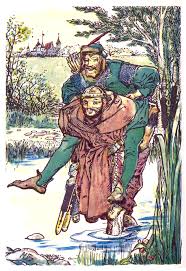
Howard Pyle’s The Merry Adventures of Robin Hood found a receptive audience in America, where the themes of justice and resistance to tyranny aligned with the ideals of the burgeoning labor movement. Pyle’s background as an illustrator and educator shaped his approach to storytelling; he aimed to create works that were both visually captivating and morally instructive. His Robin Hood, with his merry band of outlaws, embodied the spirit of fraternity and collective action, appealing to readers who yearned for stories of resistance and solidarity in the face of oppression. This was especially prevalent in Robin Hood’s actions. Robin Hood of the past had always stolen from the rich, but Pyle’s Robin Hood was the first to return to the poor. The first instance of corrective justice, this Robin Hood is the Robin Hood most think about today, and the pioneer of a movement for reversing systemic injustices through changing the consequences.
The rise of communism and socialism in the early 20th century further influenced Robin Hood’s portrayal in American culture. During this time, Quaker ideals of simplicity, equality, and social justice began to intersect with the legend, as evidenced by adaptations that emphasized communal living and shared resources. Robin Hood’s redistribution of wealth mirrored the aspirations of leftist movements, though these interpretations often faced criticism and censorship during periods of anti-communist sentiment, such as the Red Scare.
Bonus note: Robin Hood literature is popularized significantly during the time of the the First Red Scare, with multiple adaptations coming in the form of children's literature.
Religious themes play a significant role in shaping Robin Hood’s narrative in the 19th and 20th centuries as well. In England, Roger Lancelyn Green’s Adventures of Robin Hood, which came a little later to Pyle’s version, emphasized Evangelical Christian values, preaching moral righteousness and charity, aligning with the movement’s focus on aiding the poor and reforming society. In the United States, Pyle’s Quaker upbringing instilled values like equality and communal living influenced his interpretation of the legend, highlighting even further Robin Hood’s role as a champion of social justice.